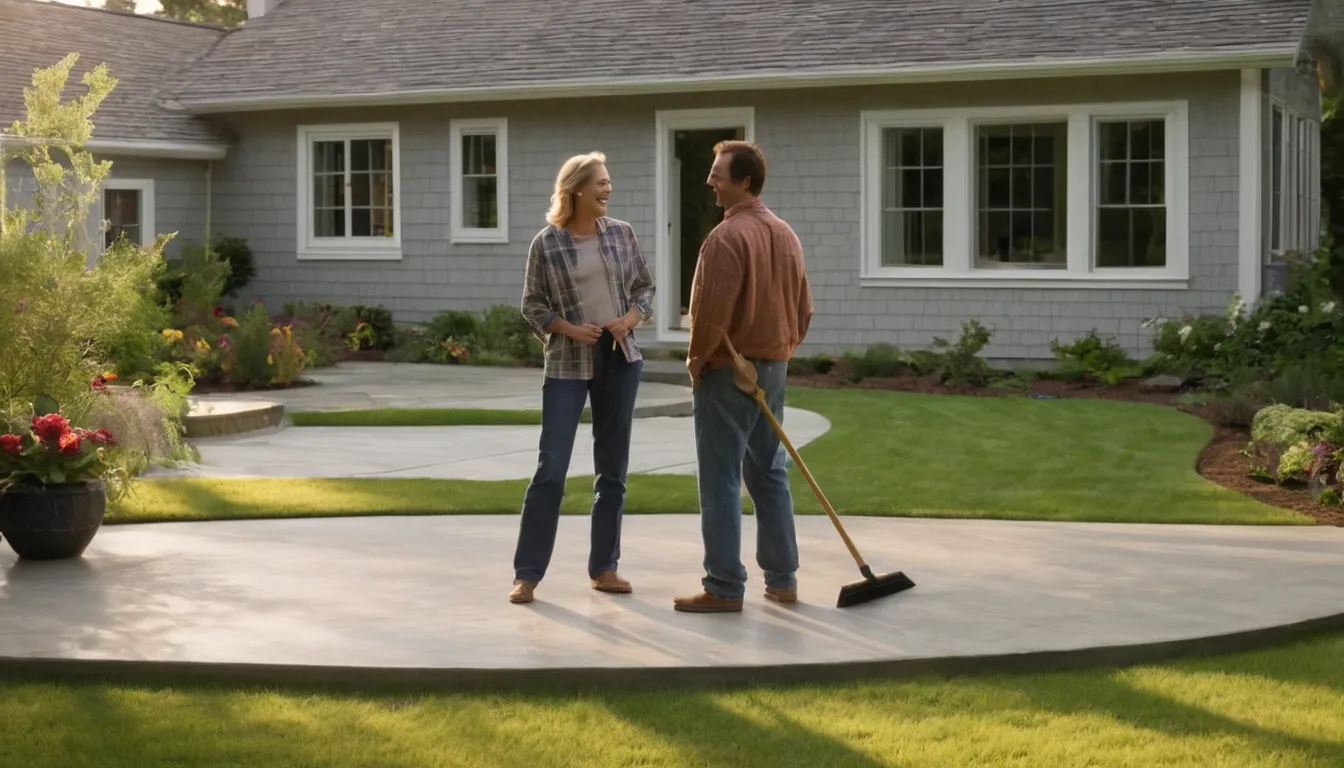
Concrete Patios Help for First-Time Homeowners
Most people build one patio in their lives, so it is normal to feel unsure. You may not know what size to pick, how deep the base should be, or what a fair quote looks like. This page explains the basics in plain words.
Humanfollows Concrete is a referral service. We do not pour concrete. We connect homeowners in Agawam Town, MA and the Agawam Town area with independent local providers who do the work, set the scope, and give the written quote. Start with a simple request, and talk to a real provider instead of searching for hours.
Planning a Patio? Start Here
Myth: you need a finished plan before you talk to anyone. Fact: a rough idea is enough. Think about where the patio goes, about how big it should be, and what you want to do on it. A local provider can help shape the rest.
In cold, snowy regions, the pour season is short. Concrete sets well in mild, dry weather, and provider calendars fill as that window opens. Early talks help you find a spot on the schedule.
Request a callback to check provider availability for your project.
Myth: Concrete Is Just a Gray Slab
A lot of people picture a plain gray rectangle. In practice, concrete flatwork can be smooth, textured, colored, or patterned. The shape can curve, step down, or wrap around a grill spot. You choose the look, and the provider tells you what is possible.
Why Homeowners Choose Concrete
Concrete is a hard, flat surface that handles tables, chairs, and grills well. It does not need much upkeep, and it suits many home styles.
- It stays steady under heavy furniture.
- It handles hard winters when it is built right.
- It can match a house with many finishes.
- It is easy to sweep and rinse.
What a New Patio Project Includes
Here is the usual order of work, in plain words. The provider marks the outline. Then the crew digs out the soil and adds a layer of packed gravel. Wood or metal forms hold the shape. Steel bars or mesh may go inside to help the slab hold together.
Next comes the pour. Workers level the wet concrete, smooth it, and add the finish. They cut or form joints. Then the slab cures, which means it slowly hardens while it stays damp and protected.
Why the Base Matters
Myth: concrete can go right on the dirt. Fact: a packed gravel base is a big part of how long a patio lasts. It spreads weight and lets water drain away. In places with frost and thaw cycles, wet soil under a slab can heave it. A good base lowers that risk.
Sizing Your Patio
Start with your furniture. A table for four to six people often needs a space about ten feet by ten feet. That gives room to pull chairs out and walk around.
Then add the extras. Do you want a grill, a fire pit, or a few lounge chairs? Draw it on paper or mark it on the grass with spray paint. Walk it. Many first-timers find they want it a little bigger.
How Thick Should It Be?
A patio for people and furniture is often about four inches thick. A spot that holds a hot tub or a vehicle may need more. Ask the provider what they plan to pour and why. Thickness changes the price, so it should be on the written quote.
Finish Options
The finish changes how the patio looks and feels underfoot.
- Broom finish: light ridges that add grip when wet.
- Smooth trowel: sleek, but it can be slippery outdoors.
- Exposed aggregate: small stones show on top for a pebbly look.
- Color: pigment mixed in or added on the surface.
- Stamped patterns: forms that copy stone, brick, or wood.
Stamped concrete patios are popular because they give a stone look with a seamless slab. Ask a provider to show sample photos of past work before you decide.
Drainage and Your Foundation
Water is the hidden part of every patio plan. A patio should slope gently away from the house, often about a quarter inch per foot. Otherwise, rain and spring snowmelt can pool near the wall.
This matters even more with older homes. Stone and block foundations can take in moisture, and full basements can show it. Tell the provider about any damp spots you have seen. If you already notice wall cracks or a wet basement, foundation repair experts are a separate kind of provider, and that is a different job from a new patio.
Cracks: Myth vs. Fact
Myth: well-made concrete never cracks. Fact: concrete shrinks as it dries, so it can crack. Providers add joints, which are planned lines that guide where a crack will form. Straight joints look neat and keep the surface tidy.
Choosing a Concrete Provider
Look for a provider who explains things without rushing you. They should ask about drainage, access for equipment, and what lies under the area. Ask if they are licensed where your area requires it and whether they carry insurance. Do not take it for granted. Ask.
Questions to Ask Before You Agree
- What base and thickness will you use?
- How will water be directed away from the house?
- Where will joints go?
- What happens if the ground turns out softer than expected?
- When can I use the patio?
Reading Your Written Quote
A written quote should list the size, thickness, finish, base, removal of old material, and the total price. Vague quotes cause surprises. If something is missing, ask for it in writing. Compare quotes line by line, not just by the bottom number.
How the Referral Works
Humanfollows Concrete does not do the work. You send a short request, and we connect you with an independent provider in our network. The provider sets the scope and gives you the quote. There is no obligation to hire anyone.
Caring for Your New Patio
Give it time. Foot traffic is often fine after a few days, but furniture and grills usually need to wait longer. Full strength can take about a month. Follow the provider's advice.
Seal the surface if the provider suggests it, and sweep often. In the first winter, avoid de-icing salts and use a plastic shovel. Salt and metal blades can wear young concrete, especially during frost and thaw swings.
Ready When You Are
You do not need to know everything. You only need to ask. Request a callback to talk through your patio idea with a local provider.
What's Included
Layout and Digging
The provider marks the shape, removes grass and soil, and sets the depth for the base.
Gravel Base and Forms
Packed gravel supports the slab and helps water drain. Forms hold the edges in place.
Pour and Finish
Wet concrete is leveled and given a finish, such as broom, color, or a stamped pattern.
Joints and Curing
Joints guide cracks, and curing lets the slab harden slowly while it stays protected.
What Patios Typically Cost in the U.S.
Prices vary a lot by size, soil, access, and finish. These are typical U.S. ranges only, not a quote. Ask each provider for a written quote that lists exactly what is included.
| Item | Typical range | Notes |
|---|---|---|
| Basic broom-finish patio | $6 – $12 per sq ft | Common for simple, flat layouts |
| Stamped concrete patio | $12 – $20 per sq ft | Pattern and color add labor |
| Exposed aggregate finish | $8 – $18 per sq ft | Stone type changes the price |
| Excavation and gravel base | $1 – $3 per sq ft | Rises with poor soil or hard access |
| Removing an old slab | $2 – $6 per sq ft | Depends on thickness and hauling |
| Sealing the finished surface | $1 – $3 per sq ft | Often repeated every few years |
How It Works
Send a Request
Tell us the rough size, location, and finish you have in mind. Short notes are fine.
Talk to a Provider
An independent local provider reaches out to ask questions about your yard and goals.
Review the Written Quote
The provider sets the scope and gives a written quote. Compare it line by line.
Choose and Schedule
If it feels right, you agree on dates with the provider. If not, no obligation.
Why Call Humanfollows Concrete
Less Searching, More Answers
Start with one simple request instead of sorting through long lists of providers.
Local Providers
Independent providers in our network know local soil, frost, and building styles.
Plain Words
Basics are explained in simple terms, so a first-timer can ask clear questions.
No Obligation
You hear from a provider and decide for yourself. Nothing is required of you.
Other Services
Need concrete patios help in Agawam Town?
Planning a new driveway or patio? Request a callback to check provider availability, or send a few lines about your project and request an estimate.
No obligationConcrete Patios Help FAQ
How thick should a concrete patio be?
Many patios are about four inches thick, which suits people and normal furniture. A hot tub or vehicle area may need more. Ask the provider what they plan and have it written in the quote.
How long before I can use a new concrete patio?
Light foot traffic is often fine after a few days. Furniture and grills usually wait longer, and full strength can take about a month. Follow what your provider tells you.
Does a patio need to slope away from my house?
Yes, a gentle slope sends rain and snowmelt away from the walls. A common guide is about a quarter inch per foot, but the provider should check your yard and set the exact slope.
Request a callback
Planning a new driveway or patio? Request a callback to check provider availability, or send a few lines about your project and request an estimate.
No obligation